
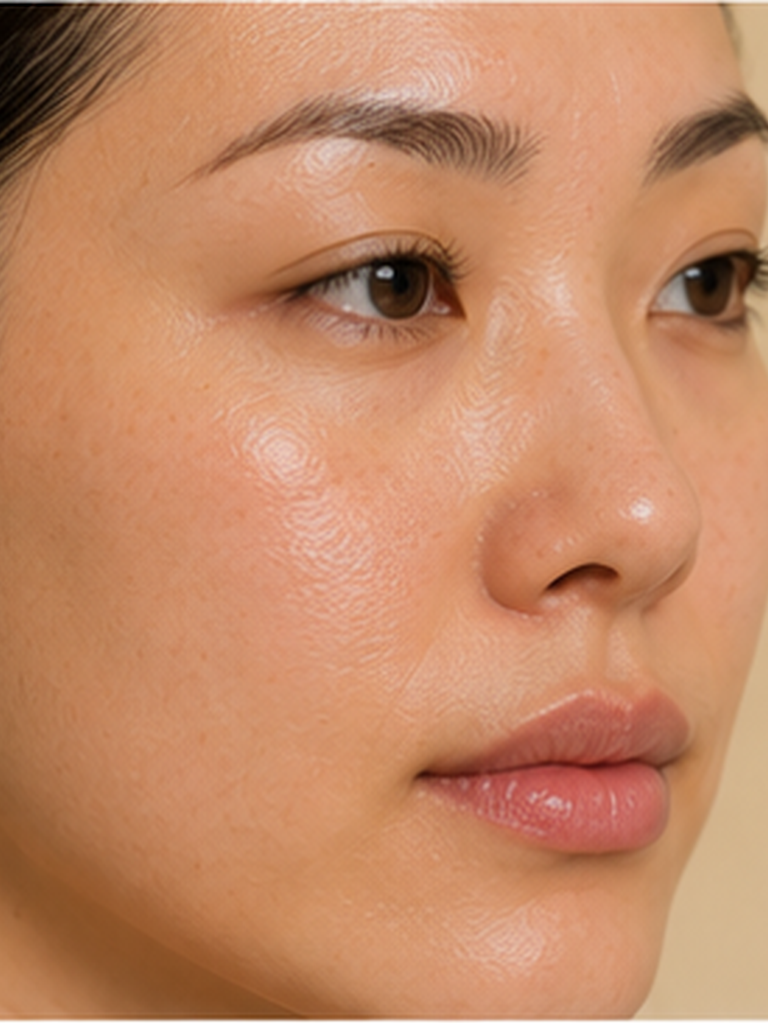
The short answer: A HydraFacial cleanses, exfoliates, extracts and hydrates in about 30 minutes with no downtime, which makes it a good fit for regular maintenance and an instant glow. A chemical peel uses acids to resurface the skin and speed up cell turnover, which can do more for pigmentation, acne marks and texture, but deeper peels come with days of peeling.
Here’s how they compare, using the details from our HydraFacial and chemical peel pages.
HydraFacial vs chemical peel at a glance
| HydraFacial | Chemical peel | |
|---|---|---|
| What it does | Deep cleansing, exfoliation, extractions and intensive hydration using patented vortex technology | Medical-grade acids resurface the skin to accelerate cell turnover |
| Best for | Blackheads and enlarged pores, dryness, dullness, uneven texture, fine lines; all skin types, including sensitive | Hyperpigmentation and melasma, acne and post-acne marks, sun damage, rough texture, fine lines |
| Session time | 30 minutes | 30 to 45 minutes |
| Downtime | None listed | Superficial: none; medium: 3 to 5 days of peeling; deep: 5 to 7 days |
| How often | Every 4 to 6 weeks | Superficial peels: monthly maintenance; deeper peels as advised |
| Starting price at The Bodie Co | $200 per session | Superficial from $150; medium from $250; deep from $400 |
What a HydraFacial does
A HydraFacial combines several steps of a facial into one treatment: cleansing, exfoliation, extractions and hydration. It is designed to be gentle, and our page notes it suits all skin types, including sensitive skin.
Results are visible right away and can keep improving for 3 to 5 days afterward. There is no downtime and no redness listed, so you can usually return to your day immediately. We do suggest letting your skin breathe for a few hours before applying makeup.
For maintenance, our page recommends a session every 4 to 6 weeks. If you’re pregnant, check with your physician first; we avoid certain booster serums during pregnancy.
What a chemical peel does
A chemical peel applies an acid solution, such as glycolic, salicylic, lactic, TCA or a Jessner blend, to remove damaged outer layers of skin and encourage fresh skin to come through. The depth of the peel changes both the results and the recovery.
- Superficial peels usually mean minimal or no visible peeling, just brightness. Makeup is fine after about 24 hours.
- Medium peels involve about 3 to 5 days of visible peeling. Makeup usually waits 5 to 7 days.
- Deep peels use high-strength TCA, with 5 to 7 days of downtime. Your provider will advise when makeup is OK, typically at least 7 to 10 days.
First results usually appear in 5 to 10 days. Our page notes peels can suit all skin types when the correct depth is chosen, and that medium and deep peels are best done in fall and winter, when sun exposure is lower. Superficial peels can be done year-round with strict SPF use.
Which should you choose?
- Choose a HydraFacial if you want clearer pores, hydration and a fresh look with no downtime, before an event or as a monthly routine.
- Choose a chemical peel if your main concern is pigmentation, melasma, acne marks or sun damage, and you can plan around some peeling for medium or deep options.
- Short on time and new to treatments? A HydraFacial or a superficial peel is a gentle place to start.
- Sensitive skin? Our HydraFacial page says it suits sensitive skin. For peels, the right depth matters, so talk it through first.
Can you combine them?
Many people alternate facials and peels as part of an ongoing skin plan rather than doing both on the same day. How to sequence them, and how far apart, depends on your skin and the peel depth, so ask about it at your consultation.
Frequently asked questions
Is a HydraFacial a type of chemical peel?
No. A HydraFacial includes exfoliation as one step, but it is a multi-step facial. A chemical peel is a dedicated acid treatment that resurfaces the skin to a chosen depth.
Which is better for acne marks and dark spots?
Our chemical peel page lists hyperpigmentation, melasma and post-acne marks among its main uses. HydraFacial also lists sun damage and hyperpigmentation. Which suits your skin best is a question for your provider.
Will I peel after a HydraFacial?
Our HydraFacial page lists no downtime and no redness. Visible peeling is associated with medium and deep chemical peels.
Can I get a peel in summer?
Superficial peels can be done year-round with strict SPF. Medium and deep peels are better suited to fall and winter.
How often should I book?
HydraFacial every 4 to 6 weeks; superficial peels monthly for maintenance. Deeper peels are planned individually.
Book a complimentary consultation
Still deciding? Read more about our HydraFacial in NYC and chemical peel options, then book a complimentary consultation. If you’d like regular facials, our memberships include monthly treatments and member savings.
This page is for general information and is not medical advice. Results vary; a consultation determines whether a treatment is right for you.